
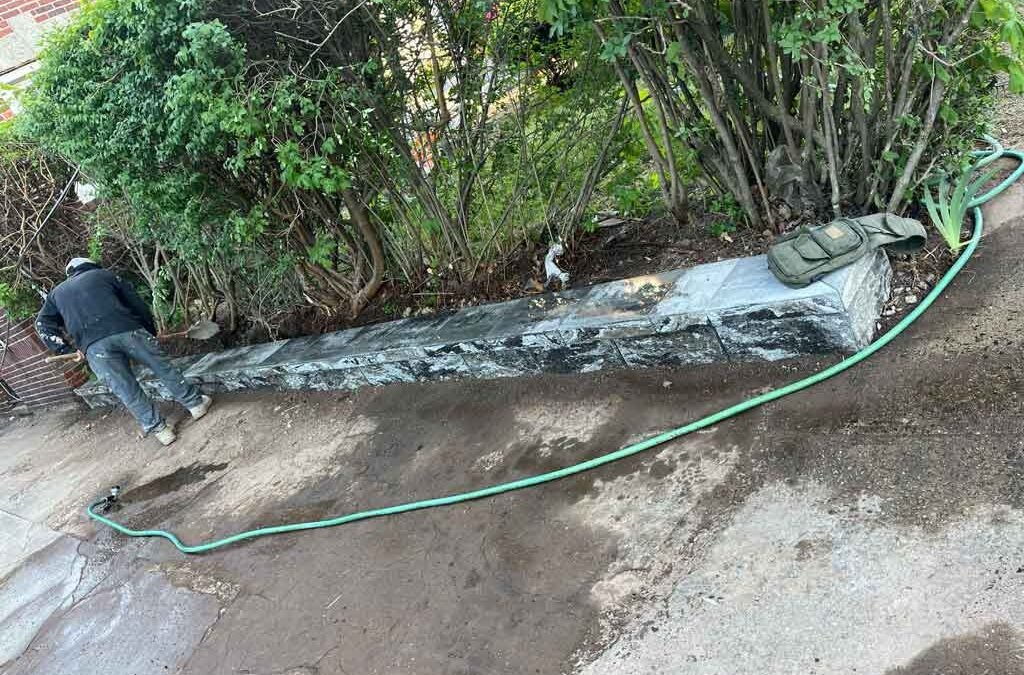
At first glance, a retaining wall and a garden wall can look similar. Both can be built from stone, brick, concrete block, or other masonry materials. Both can improve the appearance of your yard. And both can help define outdoor space in a clean, attractive way.
But they are not the same thing.
The difference matters because one is mainly decorative, while the other is built to handle pressure, soil, and drainage. Choosing the wrong type of wall can lead to costly repairs, poor drainage, or a backyard feature that does not actually solve the problem you were trying to fix.
If you are planning an outdoor improvement project, here is what you need to know about retaining walls, garden walls, and how to decide which one your property really needs.
What Is a Retaining Wall?
A retaining wall is a structural wall designed to hold back soil.
Its main purpose is to manage changes in ground level and keep earth from shifting, sliding, or washing away. Retaining walls are commonly used on sloped properties, around raised planting areas, near driveways, and in places where erosion or drainage needs to be controlled.
In simple terms, a retaining wall is doing a job beneath the surface, not just above it.
It is built to handle:
- soil pressure behind the wall
- water drainage
- movement from freeze and thaw cycles
- the weight of the ground it is supporting
For example, if your backyard slopes downward and soil keeps moving into the lawn or patio area, a retaining wall may be needed to stabilize the space. The same is true if you want to level part of a yard so it can be used more comfortably.
Because retaining walls deal with weight and pressure, they need proper design, base preparation, and drainage behind the wall. This is what separates them from walls built mainly for appearance.
What Is a Garden Wall?
A garden wall is usually a lower, decorative wall used to define or improve outdoor space.
Its purpose is often visual rather than structural. A garden wall can border a flower bed, frame a patio, separate sections of a yard, or create a finished look around landscaping.
Unlike a retaining wall, a garden wall is generally not meant to hold back a large amount of soil or manage major grade changes.
Homeowners often choose garden walls to:
- add shape to landscaping
- edge a planting area
- create a neat border around a patio
- improve curb appeal
- give the yard a more polished design
For example, a short stone wall around a front flower bed is usually a garden wall. It may support a small raised area, but it is not built to resist serious soil pressure in the same way a retaining wall is.
That is why a garden wall may look attractive and work perfectly in the right setting, but it is not a substitute for a true retaining wall where structure and support are needed.
The Main Difference Between the Two
The biggest difference comes down to function.
A retaining wall is built for support and soil retention.
A garden wall is built mainly for appearance, separation, or light landscaping use.
That affects everything from design to materials to installation methods.
A retaining wall usually requires:
- stronger construction
- deeper base preparation
- proper backfill
- drainage planning
- careful attention to height and load
A garden wall usually focuses more on:
- style
- border definition
- landscape design
- visual appeal
- lighter installation needs
This is why the distinction matters so much. A wall may look beautiful when finished, but if it is expected to perform like a retaining wall without being built like one, problems can show up quickly.
When You Likely Need a Retaining Wall
A retaining wall may be the right choice if your property has a real ground or drainage issue to solve.
Common signs include:
- your yard has a noticeable slope
- soil is washing away after heavy rain
- part of your lawn or garden is eroding
- you want to create a level usable area
- a driveway, walkway, or patio needs support
- you want to hold back a raised section of earth
For example, imagine a backyard where the ground drops off behind the patio. Without proper support, that area may be hard to landscape and difficult to use. A retaining wall can hold the slope in place and help create a cleaner, more functional yard.
Another common situation is when homeowners want to terrace a sloped property. In that case, retaining walls can create flatter sections for planting, seating, or walking.
When You Likely Need a Garden Wall
A garden wall is usually the better choice when the goal is more about design than structural support.
You may need a garden wall if:
- you want to frame a flower bed
- you want to border a walkway or patio
- you want to separate lawn from landscaping
- you want a decorative feature in the yard
- you want to improve the finished look of the property
For example, if your front yard feels a little plain and you want to add a raised planting bed with a neat stone border, a garden wall may be ideal. It gives shape and style to the space without the complexity of a retaining wall project.
Garden walls are often a smart option for homeowners who want visual improvement and cleaner landscaping lines without major structural work.
When You Likely Need a Garden Wall
A garden wall is usually the better choice when the goal is more about design than structural support.
You may need a garden wall if:
- you want to frame a flower bed
- you want to border a walkway or patio
- you want to separate lawn from landscaping
- you want a decorative feature in the yard
- you want to improve the finished look of the property
For example, if your front yard feels a little plain and you want to add a raised planting bed with a neat stone border, a garden wall may be ideal. It gives shape and style to the space without the complexity of a retaining wall project.
Garden walls are often a smart option for homeowners who want visual improvement and cleaner landscaping lines without major structural work.
Materials Can Be Similar, but the Build Is Different
Both retaining walls and garden walls can be made from attractive materials like:
- natural stone
- concrete blocks
- brick
- pavers
- masonry units
From the outside, they may even look almost identical.
But the visible material is only part of the story.
A retaining wall often needs stronger engineering behind the finished face, while a garden wall may be simpler because it is not resisting the same forces. So even if two walls look similar from the front, their construction needs can be very different.
That is why homeowners should not assume that any masonry wall can function as a retaining wall.
Cost Differences
In many cases, retaining walls cost more than garden walls because they involve more structural work.
That may include:
- deeper excavation
- stronger base preparation
- more materials
- drainage components
- more labor
- design considerations based on height and soil load
A garden wall may be more affordable if the project is mostly decorative and does not need to support major pressure.
Still, cost should not be the only deciding factor. If your yard needs real support or erosion control, choosing a decorative wall instead may save money up front but create bigger costs later.
Which One Do You Need?
A simple way to decide is to ask this question:
Is the wall meant to hold back earth, or is it mainly meant to improve the look of the space?
If it needs to hold back soil, manage a slope, or support a level change, you likely need a retaining wall.
If it is mostly there to define landscaping, border a space, or add visual appeal, you likely need a garden wall.
In some properties, you may even need both. A retaining wall can solve the structural problem, while a garden wall can be used elsewhere to tie the landscaping together and create a finished design.
Why Professional Advice Helps
It is not always easy to tell which type of wall is right just by looking at the yard. A slope may seem minor, but drainage or soil movement can make a retaining wall necessary. In other cases, what looks like a structural problem may really just need a decorative border and better landscaping.
That is why professional guidance can make a big difference.
An experienced contractor can look at:
- the slope of the property
- drainage conditions
- how much soil pressure the wall would face
- the purpose of the wall
- material options
- the best layout for long-term durability and appearance
This helps you avoid overbuilding, underbuilding, or spending money on the wrong solution.
Final Thoughts
Retaining walls and garden walls may look similar, but they serve very different purposes. A retaining wall is built for strength, support, and holding back soil. A garden wall is usually built to define space and improve the appearance of the yard.
Knowing the difference helps you choose the right feature for your property and avoid problems later on.
If your yard has slopes, erosion, or grade changes, a retaining wall may be the right answer. If you want to frame landscaping or add character to your outdoor space, a garden wall may be all you need.
For homeowners in Long Island, working with an experienced contractor like Goodfellas Paving and Masonry can help you decide which type of wall fits your property best and ensure it is built the right way from the start.