
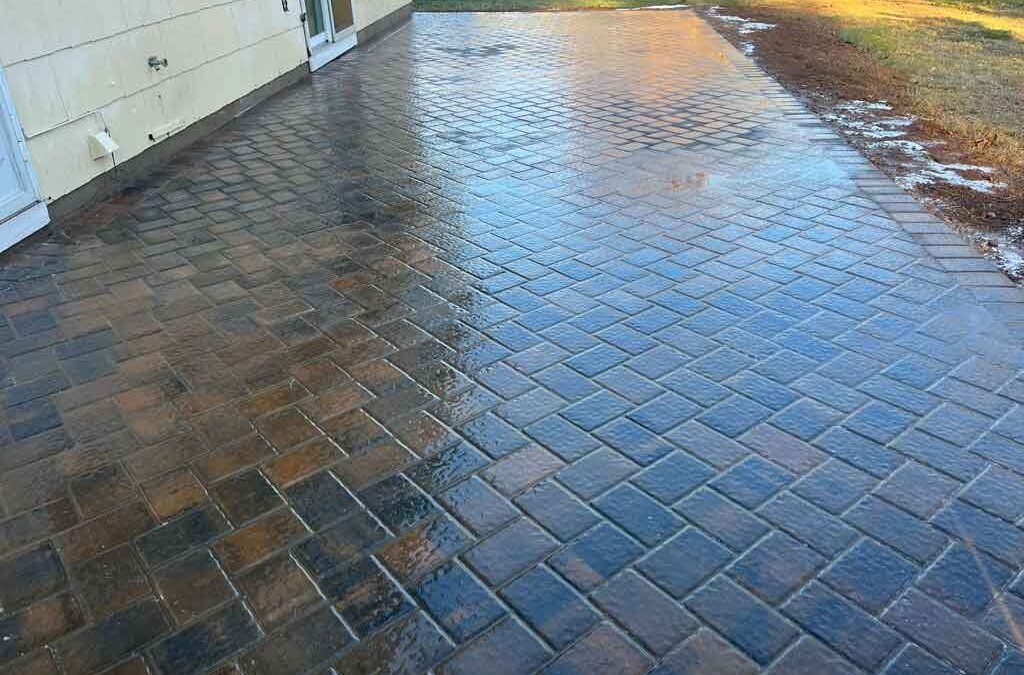
A new patio can completely change how your backyard feels. It can give you more space to relax, eat outside, host friends, or simply enjoy the warmer months without standing on grass or uneven ground. But one of the biggest questions homeowners ask before starting a project is simple: what size should the patio be?
That is an important question, because a patio that is too small can feel cramped and frustrating, while one that is too large may look out of place and cost more than it needs to.
The right patio size depends on how you plan to use it, how much yard space you have, and how you want it to connect with your home. If you are planning a new outdoor space, here is how to choose a patio size that feels practical, comfortable, and well-balanced.
Start With How You Actually Plan to Use It
Before thinking about measurements, think about purpose.
Ask yourself:
- Will this be mainly for sitting and relaxing?
- Do you want space for outdoor dining?
- Will you use it for entertaining guests?
- Do you need room for a grill, fire pit, or lounge furniture?
- Will kids be moving through the space often?
A small sitting patio for two chairs has very different size needs than a patio meant for a dining table and weekend gatherings.
For example, if you only want a quiet area with a couple of chairs and a small table, you may not need a large layout at all. But if you want to host family barbecues or outdoor dinners, the patio needs enough room for furniture and walking space around it.
The biggest mistake many homeowners make is choosing a patio size based only on what looks nice in a picture. In real life, the patio has to fit the way you live.
Think About Furniture First
One of the easiest ways to estimate patio size is to start with the furniture you want to place on it.
If you know you want:
- a dining table with 4 to 6 chairs
- a sofa set or sectional
- a grill station
- a fire pit with seating
- planters or storage benches
then your patio needs to be sized around those items, not added later as an afterthought.
A table may fit on paper, but if there is no room to pull chairs out or walk around comfortably, the space will feel tight. The same goes for lounge seating. A patio should not just hold furniture. It should still feel easy to move through.
A helpful way to picture this is to measure the furniture area in your mind, then add circulation space around it. That extra room is what makes the patio feel usable rather than crowded.
Match the Patio to the Size of Your Backyard
A patio should feel like it belongs in the yard.
If you have a smaller backyard, an oversized patio can take over the whole space and make the property feel unbalanced. On the other hand, if you have a wide open yard and install a very small patio, it may look unfinished or disconnected from the rest of the landscape.
The goal is to create a patio that works with the yard, not against it.
For many homes, the best patio size is one that leaves enough room for:
- lawn or garden areas
- pathways
- planting beds
- children’s play space
- open visual breathing room
This matters especially in backyards where homeowners want both entertaining space and greenery. A patio should improve the yard, not eliminate everything else that makes the backyard enjoyable.
Consider the Shape of the Space Too
Size is not only about square footage. Shape matters just as much.
A long narrow patio may work well along the back of a house, especially if you want separate zones for dining and seating. A square or rectangular patio often suits more formal layouts. A curved or custom-shaped patio may fit better in a yard with landscaping features or unusual boundaries.
Sometimes a patio looks too small not because it lacks area, but because the shape is awkward for the furniture being used.
For example:
- a narrow patio may fit chairs but not a dining set comfortably
- a wide square patio may work well for entertaining
- an L-shaped patio can help define two different functions
- a wraparound design may connect a back door, side yard, and grill area more naturally
So when choosing patio size, it helps to think in terms of layout, not just numbers.
Plan for Walking Space
This is where many patio projects go wrong.
Homeowners often size the patio around the main feature, such as a dining table or a seating area, but forget about walking room. Once furniture is in place, the space can suddenly feel smaller than expected.
A good patio should allow people to:
- walk around furniture without squeezing
- move from the house to the yard easily
- carry food or drinks without awkward turns
- open doors without bumping into chairs or tables
This makes a big difference in daily use. Even a beautiful patio can become frustrating if movement feels blocked or uncomfortable.
Think about how people will enter the patio, where they will sit, and how they will move through the area. That flow is just as important as the furniture itself.
Separate the Patio Into Zones if Needed
If you want your backyard to do more than one thing, dividing the patio into zones can help you choose the right size.
For example, you may want:
- one space for outdoor dining
- one space for lounging
- one space for grilling
Instead of asking, “How big should my patio be?” it may be more helpful to ask, “What areas do I need my patio to include?”
This approach often leads to smarter design decisions. It also helps avoid building a patio that feels random or oversized. Each part of the patio has a purpose, and the total size becomes easier to define.
A family that entertains often may need a larger layout with clear sections. A homeowner who mostly wants a morning coffee spot may only need one well-designed zone.
Think About Future Use, Not Just Today
It is smart to think a little ahead.
You may not entertain often now, but you might in the future. You may not own patio furniture yet, but you may want a larger set later. You may even plan to add features such as lighting, planters, or an outdoor kitchen down the line.
That does not mean you should automatically build the biggest patio possible. It just means your patio should not be so limited that you outgrow it immediately.
A slightly better-sized patio at the beginning can save you from regretting a too-small design later.
Do Not Ignore Drainage and Site Conditions
Backyard patios are not only about design. They also need to work properly.
Slope, drainage, soil condition, and the location of the house all affect what size and layout make sense. In some yards, the ideal patio size on paper may need to be adjusted because of grading or water runoff.
That is one reason why professional planning matters. A patio should be sized for comfort, but it also has to be built for long-term stability and performance.
Goodfellas Paving and Masonry’s patio service page emphasizes custom patio design and installation for Long Island properties, along with attention to durability, drainage, stability, and a finished result that adds beauty and value to the home.
A Few Practical Examples
Here is a simple way to think about it:
A small patio may work well for:
- two to four chairs
- a small café table
- quiet seating near the back door
A medium patio may work better for:
- a dining table
- a grill
- extra room to walk around comfortably
A larger patio may be the right choice if you want:
- multiple seating areas
- room for entertaining
- dining plus lounging
- a fire pit or feature area
The right answer depends less on a fixed number and more on what needs to fit comfortably without making the backyard feel crowded.
Why Professional Guidance Helps
Choosing patio size can be harder than it sounds. On paper, the dimensions may seem fine. But once furniture, access, drainage, and yard balance are considered, the right size often becomes clearer with expert input.
That is especially true if you are deciding between a compact patio and a larger entertaining space, or if your yard has slopes, awkward corners, or other layout challenges.
Goodfellas Paving and Masonry offers custom patios for homeowners and businesses across Long Island, with services centered on design, premium materials, low-maintenance surfaces, and patios built for long-term comfort and use.
Final Thoughts
The right patio size for your backyard is the one that fits your lifestyle, furniture, yard layout, and future plans. It should feel large enough to be useful, but balanced enough to still leave your backyard open and inviting.
If you are planning a new patio, start by thinking about how you want to use the space day to day. Then consider furniture, walking room, shape, and the overall size of your yard. When those pieces come together, the patio feels natural instead of forced.
For homeowners in Long Island, working with a local contractor like Goodfellas Paving and Masonry can make the planning process easier and help ensure your patio is designed to fit your space properly from the start.