
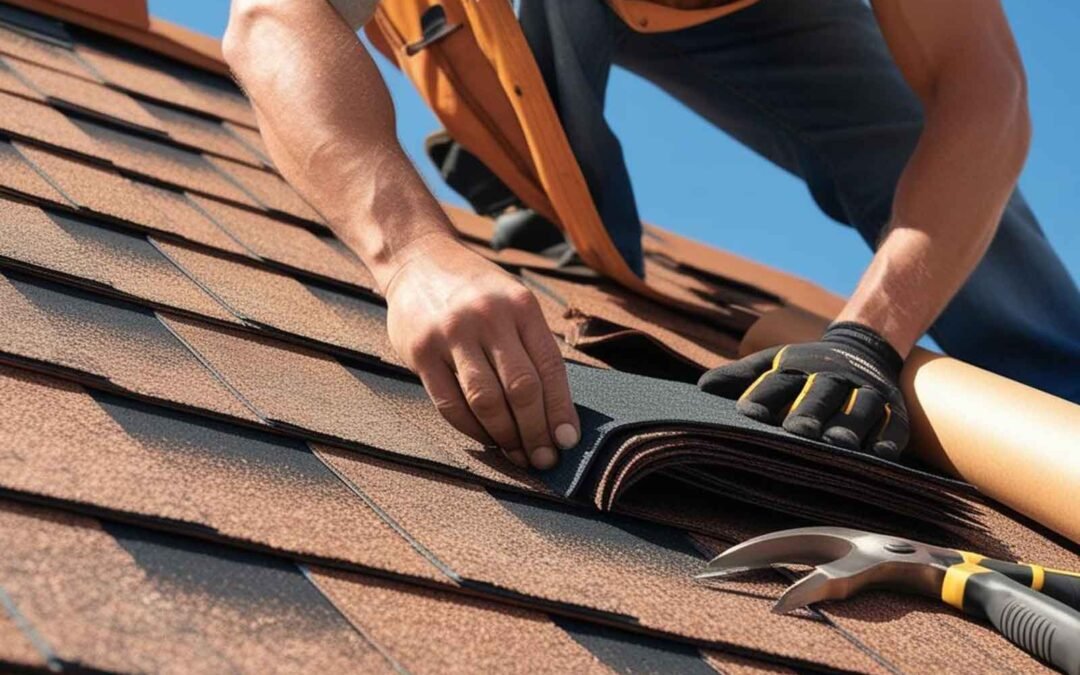
Your roof usually does its job quietly in the background. It keeps out rain, wind, heat, and moisture without asking for much attention. But when something starts to go wrong, the signs can show up fast. And if you wait too long, a small roofing problem can turn into a costly repair.
That is why homeowners should know when it is time to stop watching and start calling experienced roofing contractors.
In Long Island and similar coastal areas, roofs deal with heavy rain, strong winds, snow, ice, salt air, and changing temperatures throughout the year. All of that puts pressure on shingles, flashing, gutters, and the structure underneath. If you notice any of the warning signs below, it is smart to have your roof checked sooner rather than later.
1. You Have a Leak or Water Stains Inside the House
One of the clearest signs you need to call roofing contractors is water showing up where it should not.
You may notice:
- brown or yellow stains on ceilings
- damp spots on walls
- peeling paint near the top of a room
- dripping water in the attic
- mold or mildew smell after rain
Many homeowners assume a small stain is not urgent, but roof leaks rarely stay small. Water can travel along beams and insulation before it becomes visible, which means the problem may be worse than it looks.
For example, a missing shingle or damaged flashing around a chimney might let in only a little water at first. But after repeated storms, that moisture can damage insulation, drywall, wood framing, and even electrical areas.
If you see water stains indoors, it is time to call a roofing contractor now, not after the next storm.
2. Shingles Are Missing, Cracked, or Curling
Your shingles are your roof’s first layer of defense. Once they start failing, the rest of the roof becomes more vulnerable.
Look for:
- missing shingles
- shingles that are curling at the edges
- cracked or brittle shingles
- patches that look uneven
- shingles scattered in the yard after high winds
These issues often happen with age, storm damage, poor ventilation, or long-term sun exposure. Even if the damaged area looks small from the ground, it can allow water to reach the underlayment and decking beneath.
This is especially common after strong wind or winter weather. A roof may look “mostly fine” from a distance, but one weak section is enough to cause a leak.
If your roof is showing visible wear, professional roofing contractors can inspect whether you need a repair, partial replacement, or full replacement.
3. Granules Are Collecting in Your Gutters
If you have an asphalt shingle roof, check your gutters and downspouts. Are you seeing a lot of black, gray, or sandy-looking granules collecting there?
Those granules help protect shingles from sun exposure and weather damage. As shingles age, they begin to shed them. Some granule loss is normal over time, especially on a newer roof, but heavy buildup can mean your roofing material is wearing out faster than it should.
This matters because once shingles lose their protective surface, they can become weaker, dry out, crack, and fail more quickly.
Homeowners often overlook this sign because it does not seem dramatic like a leak. But in many cases, granule loss is an early warning that roofing contractors should inspect the roof before more serious damage appears.
4. The Roof Is Sagging or Looks Uneven
A sagging roof is never something to ignore.
If you notice dips, low spots, or a roofline that no longer looks straight, there may be a structural issue underneath. This could be caused by trapped moisture, rotted decking, long-term leaks, or weakened supports.
Sometimes the change is subtle. You may only notice it when looking at your home from the street, or when comparing one section of the roof to another. Other times, the sag is obvious and alarming.
Either way, this is not a wait-and-see issue.
A sagging roof can point to damage below the surface, and the longer it is left alone, the more expensive and dangerous the problem can become. Roofing contractors can determine whether the issue is limited to the roof deck or connected to deeper structural concerns.
5. Flashing Around Chimneys, Skylights, or Vents Is Damaged
Roof problems do not always start in the middle of the shingles. Many leaks begin around the roof’s most vulnerable connection points.
Pay close attention to the areas around:
- chimneys
- skylights
- vent pipes
- roof valleys
- dormers
These areas are protected by flashing, which is designed to direct water away from seams and joints. If flashing becomes loose, rusted, cracked, or pulled away, water can sneak in quickly.
For example, a homeowner may think the roof itself is still in good condition, but damaged chimney flashing could be letting rain into the attic every time there is a storm.
Because flashing issues can be hard to spot from the ground, it is best to have roofing contractors inspect the roof if you suspect a problem near these areas.
6. Your Roof Is More Than 20 Years Old
Even if your roof is not leaking yet, age matters.
Many asphalt shingle roofs start to show significant wear around the 20 to 25 year mark, depending on material quality, installation, ventilation, and weather exposure. If your roof is getting older and you have not had it professionally inspected in a while, now is the right time.
Older roofs are more likely to develop:
- hidden moisture damage
- weakened shingles
- poor sealing around flashing
- ventilation problems
- recurring repairs that stop being cost-effective
A roof does not need to be actively leaking to need professional attention. In fact, one of the best times to call roofing contractors is before a major failure happens.
Routine inspections can help you plan ahead instead of being forced into an emergency replacement after storm damage or a major leak.
7. Storm Damage Is Visible After Heavy Wind or Rain
Storms can do more damage than many homeowners realize. Even if your roof did not collapse or leak immediately, wind and rain can weaken it in ways that get worse over time.
After severe weather, check for:
- missing shingles
- bent or detached flashing
- fallen branches on the roof
- clogged or broken gutters
- pieces of roofing material on the ground
- water spots appearing inside a day or two later
Long Island homes in particular can be exposed to strong coastal weather, which increases the chance of roof damage over time. A quick post-storm inspection from qualified roofing contractors can help catch issues before they lead to interior damage.
This is one of the most common times homeowners regret waiting. What starts as “it looks okay from the driveway” can become a leak during the next rainfall.
Why Acting Fast Matters
Roofing issues rarely fix themselves. In most cases, delay leads to more damage, higher repair costs, and more stress.
Calling roofing contractors early can help you:
- stop leaks before they spread
- avoid interior drywall and insulation damage
- protect framing and structural components
- extend the life of the roof when repairs are still possible
- get a clear idea of whether repair or replacement makes more sense
Think of it this way. A small repair caught early may cost far less than replacing rotted wood, damaged insulation, stained ceilings, and sections of the roof later.
What a Roofing Contractor Will Usually Check
When you schedule an inspection, roofing contractors typically look at more than just shingles. A proper assessment may include:
- shingle condition
- flashing and seal points
- roof decking condition
- signs of trapped moisture
- attic ventilation
- gutter performance
- storm damage
- chimney and vent penetrations
This gives you a clearer picture of the roof’s condition and helps you make the right decision based on facts, not guesswork.
Final Thoughts
If you have noticed leaks, damaged shingles, sagging areas, flashing problems, storm damage, or simply an aging roof, do not wait for a small issue to become a major one. Calling professional roofing contractors at the right time can protect your home, reduce repair costs, and give you peace of mind.
For homeowners in Long Island, working with an experienced local company like Goodfellas Paving and Masonry can help you get honest guidance, a proper roof inspection, and the right solution for your home before the damage gets worse.roofing